
Ozone vs HEPA for Mold in Huntersville, NC
Neither an ozone machine nor a HEPA purifier removes mold. HEPA pulls spores out of the air. Ozone is a lung irritant that never touches the colony in your drywall. The mold lives in the material, not in the air.
Get a call back
Fill in the form or call (980) 250-4059. Calls are answered day and night.
§ 01 / 08
The short answer
A HEPA air scrubber is a real tool during and after remediation: it filters spores out of the air while the work happens. An ozone generator is a bad idea in an occupied house: the gas that breaks down spores also irritates lungs, and it does nothing to the water source or the material the mold is feeding on. Neither machine replaces removing the colonized drywall.
Which one, if either, depends on whether you are cleaning air or fixing a wall.
§ 02 / 08
Ozone: what it actually is
Ozone is a reactive gas, three oxygen atoms instead of two. Machines generate it on site, and in high concentration it oxidizes odors and kills surface organisms it touches, which is why it gets sold for smoke, pet, and mold smells. The gas decays back to ordinary oxygen, which is why the treatment has an endpoint and the room has to be aired out afterward.
The catch is the chemistry. Ozone does not travel through drywall to a colony inside a wall cavity any more than bleach does. It reacts with what is in the air and on exposed surfaces, then it is gone. The colony stays behind, and when the water keeps coming, the smell comes back, because the smell was never the source. It was the symptom. The other catch is safety: the same oxidizing power that breaks down spores irritates lung tissue. Ozone treatment means people and pets out of the house, rooms sealed, and time for the gas to decay before anyone goes back in. For a mold problem, all of that buys a few days without a smell.
§ 03 / 08
HEPA: what it actually is
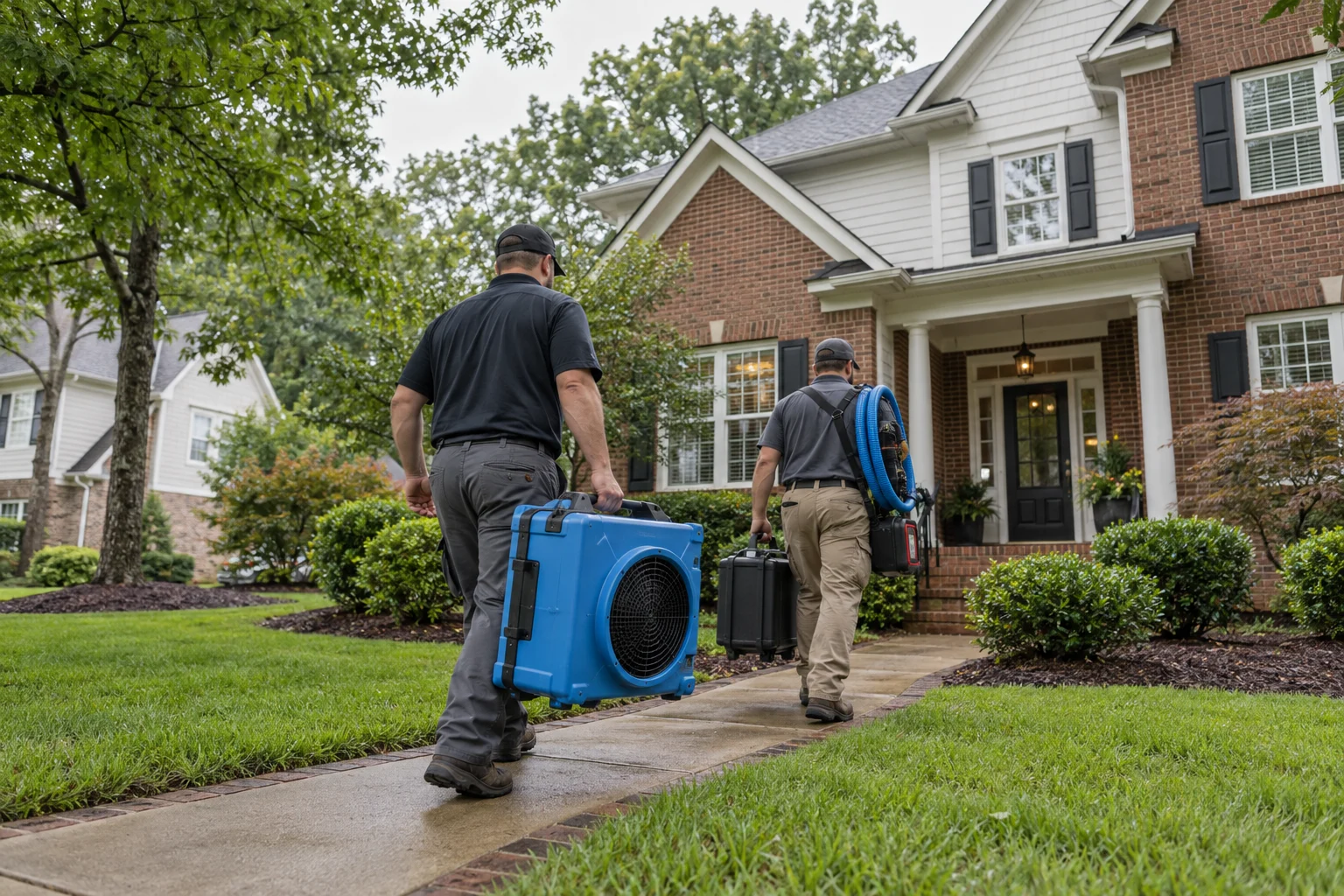
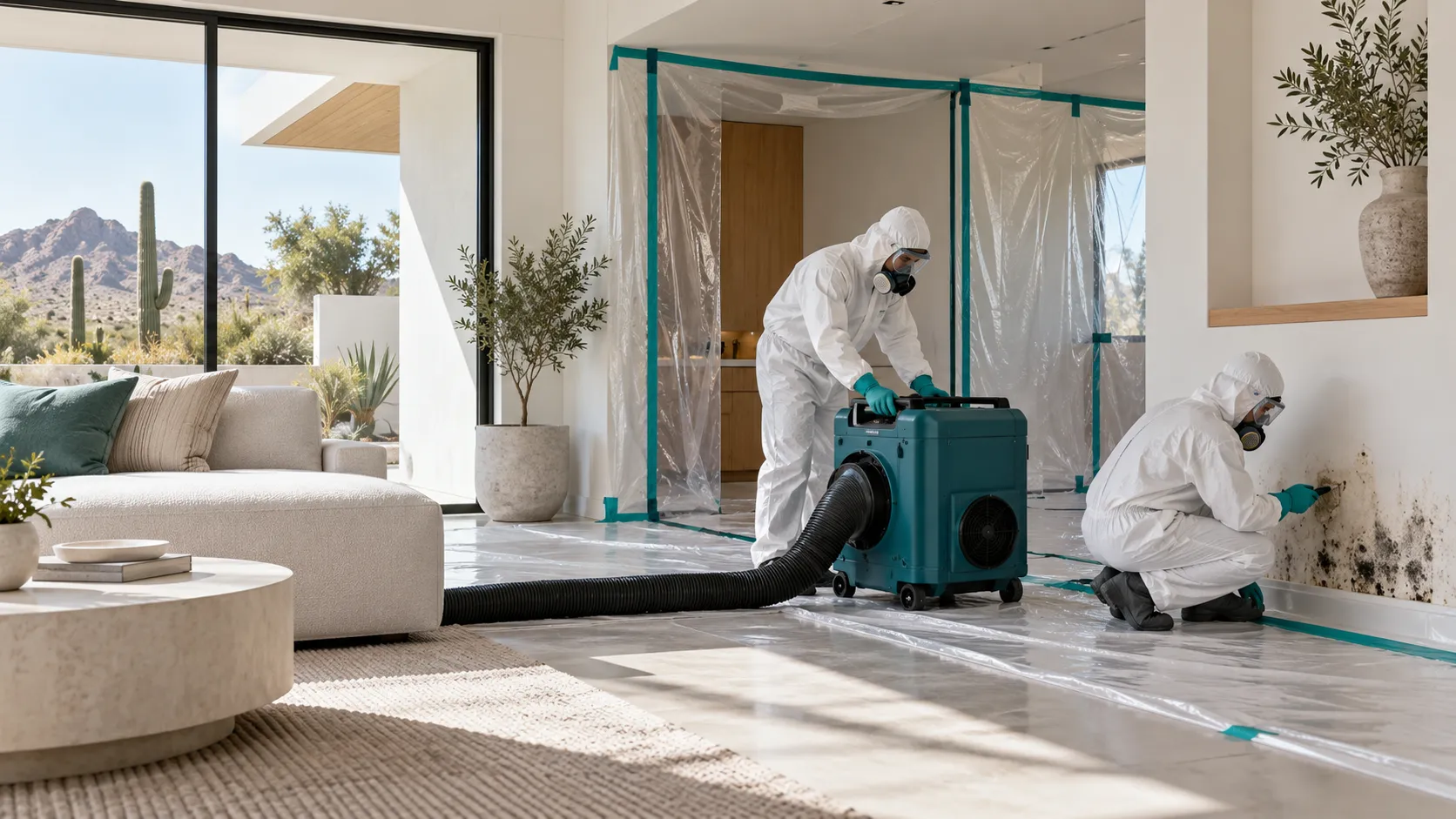
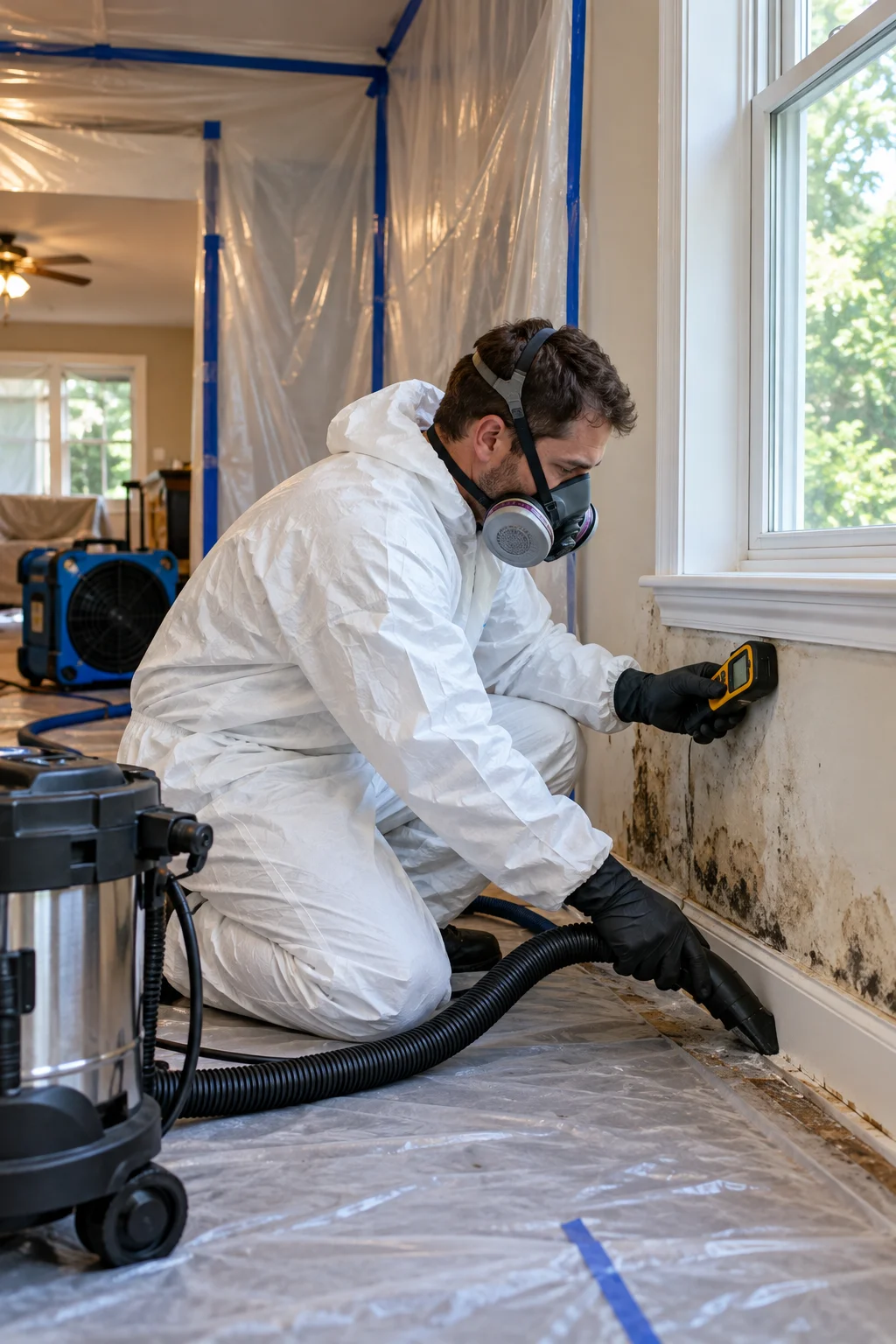
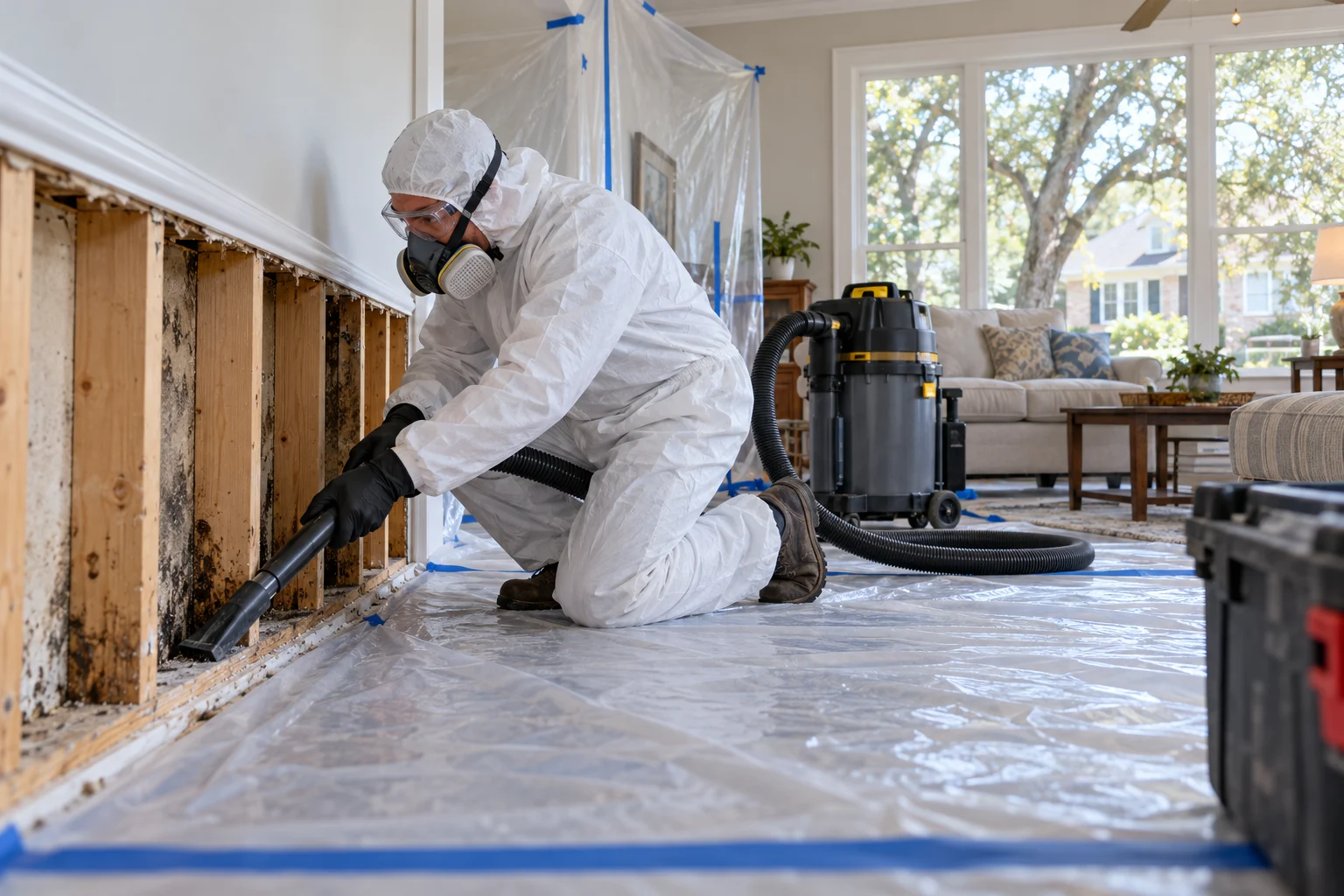
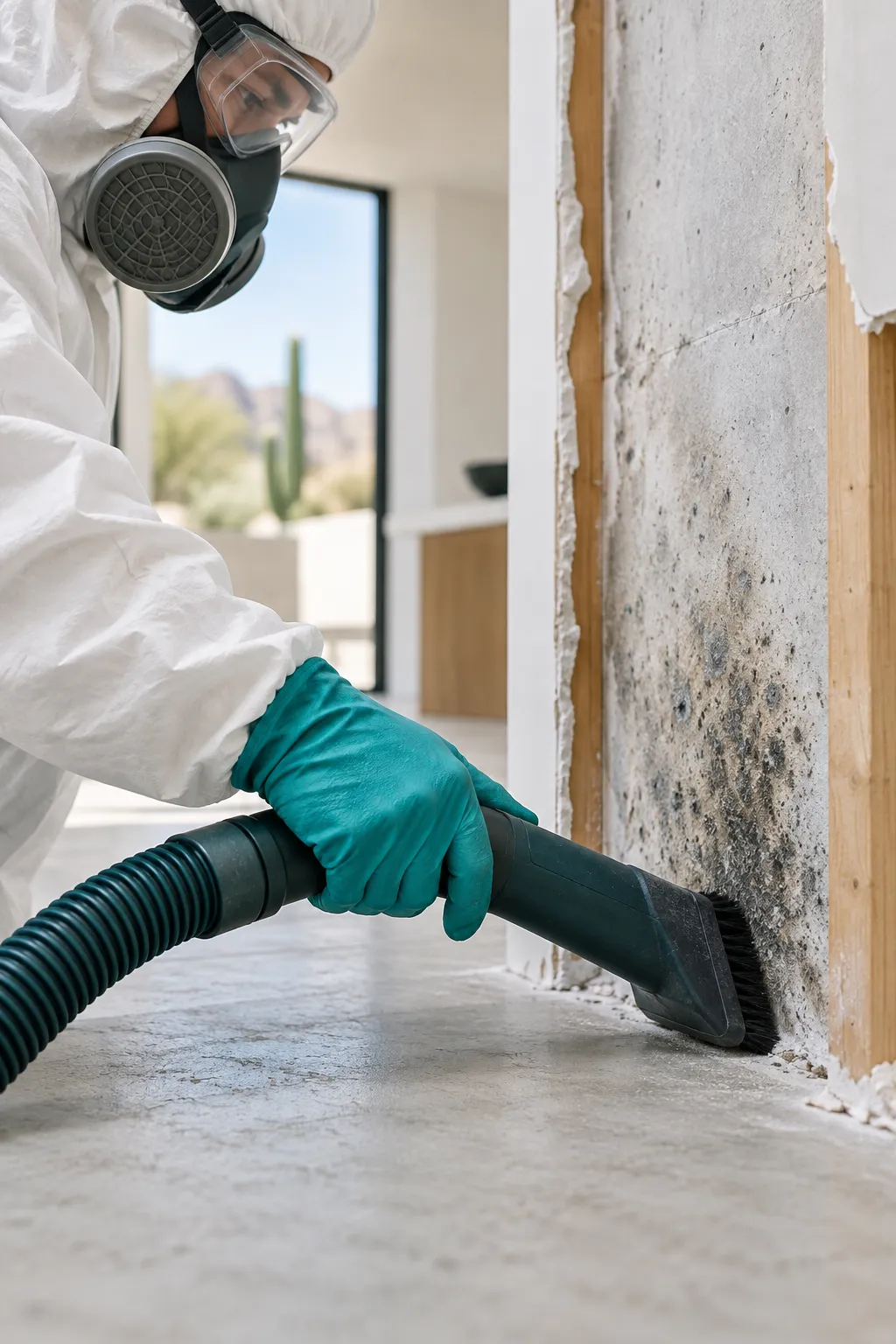
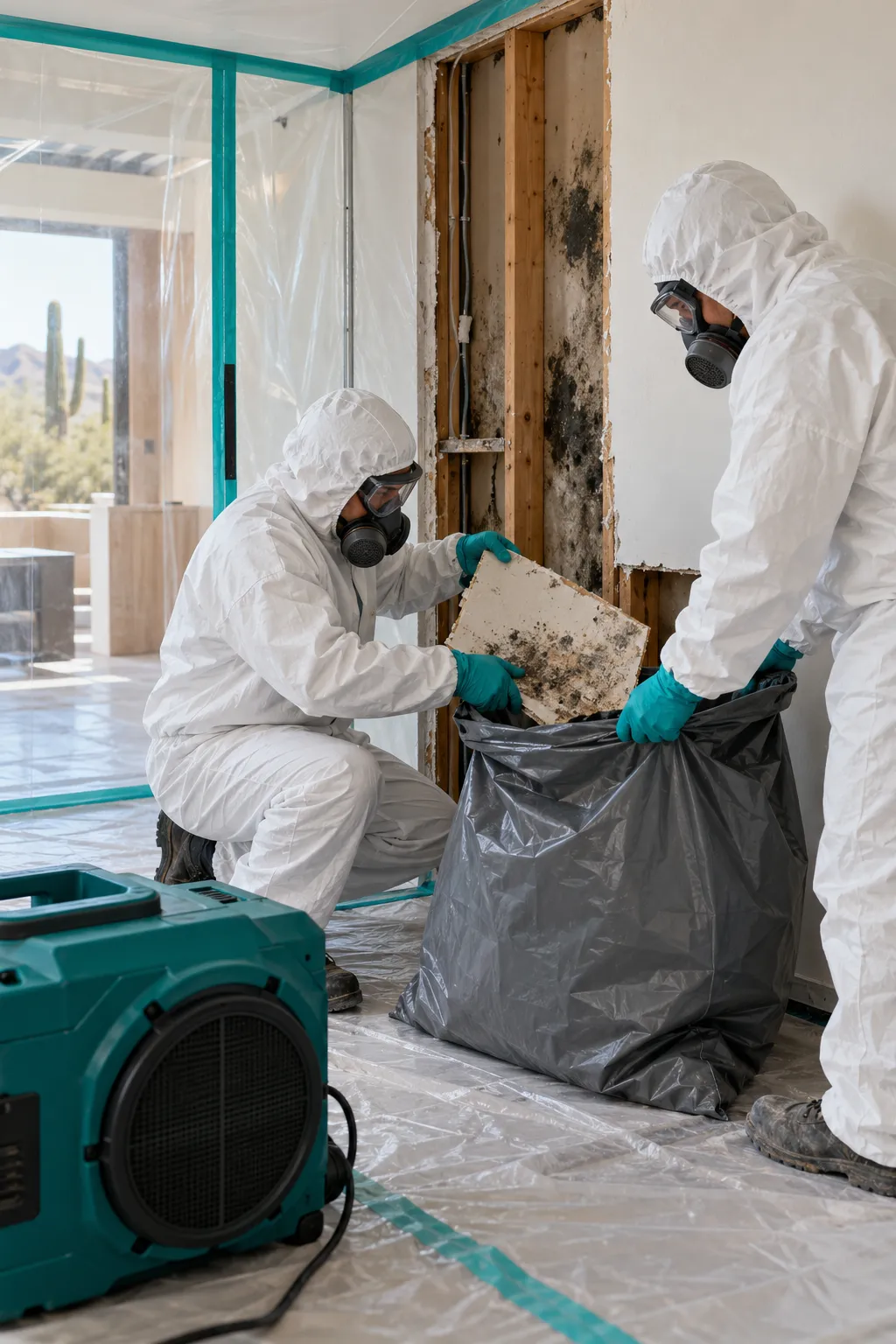
HEPA is mechanical filtration. The filter media traps particles, including mold spores, as air is pulled through it, and a scrubber or purifier just circulates room air through that media. It is how remediation contractors keep the air clean inside containment while colonized drywall comes out.
The limit is structural. A HEPA unit filters the air that passes through it. It does nothing to the wet drywall that keeps releasing spores. Run a purifier in a room with a colony in the ceiling and you have cleaner air and the same problem. HEPA is dust control, and a very good one, but it is not treatment. Inside a containment zone during a real job, it is essential. Alone in a living room, it is a comfort, not a fix. The removal vs remediation page draws that line in full.
§ 04 / 08
Where ozone fails here
The Huntersville version of the ozone story is the closed-up second home. The house sat sealed through summer, the smell is heavy, and somebody runs an ozone machine for a day or two before the place is shown or reopened. The air smells clean for a weekend, the door gets locked again, and the colony in the wet ceiling goes on releasing spores into the sealed air for another month. The smell returns, because the smell was coming from the material, and the material never changed.
Ozone has a second local failure, the heat. Ozone decays faster in warm air, which a sealed North Carolina house in summer has plenty of, so the treatment window shrinks exactly when the problem is worst. And the smell that returns is worse than the one that left, because the house was closed again, which concentrates it. The machine treated the air. The air was never the problem. The closed-up house guide covers what was.
There is also the version where the machine runs while the house is still closed and nobody is there to air it out on schedule. The gas decays on its own timetable, the smell comes back on the colony's timetable, and the owner has paid for a treatment that never had a chance.
Line open now
Mold growing right now?
Describe what you see or smell. You do not need to diagnose anything yourself.
§ 05 / 08
Where HEPA fails here
HEPA fails in Huntersville when it is bought instead of a fix. A purifier gets set up in the great room of a house with a summer storm leak above the guest wing. The air in the great room is clean, the ceiling in the guest wing keeps absorbing water, and the buyer of the purifier feels like something was done. The spores are settling on surfaces all over the house, because a purifier only cleans what flows through it, and in a closed house with the AC in setback, the air barely moves at all.
The other failure is timing. A HEPA scrubber is the right machine inside containment during a remediation job, running while the colonized material comes out. Bought three months before the job, it just collects dust and gives the colony time. Bought instead of the job, it is a subscription to cleaner air over a growing problem. A purifier in a closed house is also running against settled dust and spores that are already on every surface, and it will not lift those. Cleaning the air in a house with a wet ceiling is mopping the floor during a rainstorm with the window open. If the growth is in the ceiling, the AC and duct mold page explains where the release is actually happening.
§ 06 / 08
What it costs and what drives the number
Both machines are retail purchases with wide price ranges, and the number moves with air volume and filter class. Neither number is the one that matters, because neither machine is the fix. The number that matters is the remediation scope: how much material comes out, how much containment, how much drying. The pricing page shows how that scope is built. If a quote includes an ozone treatment as its main event, read it twice.
§ 07 / 08
What good work looks like in Huntersville
- Ozone does not belong in an occupied house, and it is rarely the answer at all. The smell is a symptom, and symptoms do not get treated with gas.
- HEPA earns its place scrubbing air inside containment while the real work happens.
- The water comes before the air. The machine question is downstream of the source question.
- The two stay separate. A purifier is not remediation, and an ozone machine is not a shortcut to one.
§ 08 / 086 questions
Ozone vs HEPA: your questions
01Does an ozone machine kill mold?
It oxidizes spores it touches in the air and on open surfaces. It does not reach a colony inside drywall or stop the water feeding it, so the problem returns.
02Is it safe to run ozone while I am home?
No. The gas that breaks down spores irritates lungs, and the room has to be sealed and aired out. People and pets stay out until the ozone decays.
03Will a HEPA purifier fix my mold problem?
No. It cleans the air that passes through it. The wet material keeps releasing spores, so the air gets dirty again. A purifier is support, not treatment.
04Are ozone generators safe around pets?
No. Birds and small animals are more sensitive than people, and the safe rule is that nobody breathes ozone, including them.
05What should run during a remediation job?
A HEPA air scrubber inside the containment zone, running while colonized material is removed, so spores do not spread through the rest of the house.
06Do I need a purifier after remediation?
The clearance test tells you whether the air is already clean. If it is, a purifier is optional, not required. The scrubber was the tool for the job, and the job is done when the numbers match.